
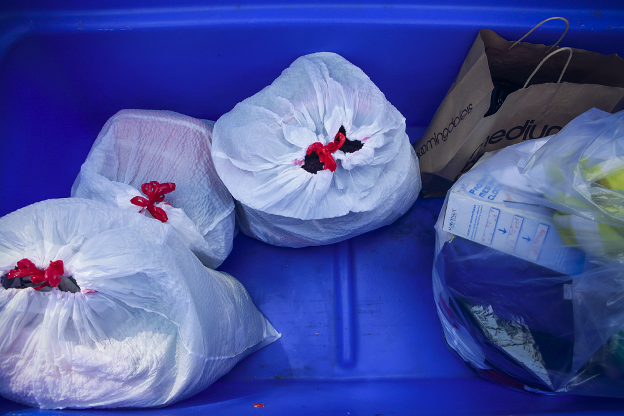
In a world driven by consumerism and fast fashion, donating is an easy yet powerful way to make a difference. Donating clothes you no longer wear to Goodwill is more than just clearing out space in your closet. In fact, you’re contributing to a chain reaction that greatly benefits your community in multiple ways.
1. Your donations improve someone’s life
By simply donating clothes and homeware items you are no longer using, you’re already helping individuals in need. Goodwill stores offer affordable, quality items, making essential goods accessible to those with limited financial means.
2. You’re supporting Goodwill’s job training and career services
Goodwill’s job training and career services are a part of and are supported by Goodwill’s retail enterprise. When you donate, you support these programs that empower individuals with skills and training and lead to employment opportunities. This not only helps individuals – it also strengthens the local economy.
3. You’re helping the environment
Donating to Goodwill is an environmentally responsible choice. It reduces waste by giving items a second life, keeping them out of landfills. This eco-friendly practice promotes a culture of reuse and sustainability, which is increasingly vital in our world today.
Simply put, donating to Goodwill is a great way to support the community you live in. It’s a gesture that fosters inclusivity, sustainability, and growth. So, the next time you’re decluttering, remember that your donations can make a difference.
Let’s support our community together—one donation at a time!
Ready to donate? Locate your nearest donation center or store near you here. If you’re unsure about what to donate (and what not to), refer to our Donations Dos & Don’ts on the Goodwill Massachusetts website.
Morgan Memorial Goodwill Industries
Our mission is to help individuals with barriers to self-sufficiency to achieve independence and dignity through work. Not charity, but a chance. Goodwill’s mission services focus on helping people secure employment, which is critical for economic self-sufficiency.